System size tells you rated power. It does not tell you how many hours your appliances will run.
- kWPower at a moment
- kWhEnergy over time
- Your usageWhen you need that energy
What does 5 kW mean?
Ask whether the advertised 5 kW refers to the inverter, the panels, or both. Panel capacity is the sum of the module ratings. Ten hypothetical 500 W panels add up to 5,000 W, or 5 kW. An installer may propose a different panel-to-inverter ratio, which should be explained in the design.
Your electricity bill records energy in kilowatt-hours, often called units. A 1 kW load running steadily for two hours uses 2 kWh. The panel rating alone cannot tell you how many units the system will generate on your roof.
Look at your usage across the day
Gather bills from different seasons and list the appliances used during daylight hours. Include air conditioners, refrigerators, pumps, and equipment you plan to add. Note approximate operating hours rather than just writing down the appliance names.
This gives the designer a better starting point than a monthly rupee total. Changes in tariffs and charges can alter the bill without an equivalent change in the electricity you consume. If you have monitoring data, share that too.
Keep the generation estimate separate from backup
Ask for an estimate that uses your location, roof orientation, shading, and system losses. PVWatts is one example of a tool for estimating grid-connected solar output. Such a model is a planning estimate, not a promise of identical production every day.
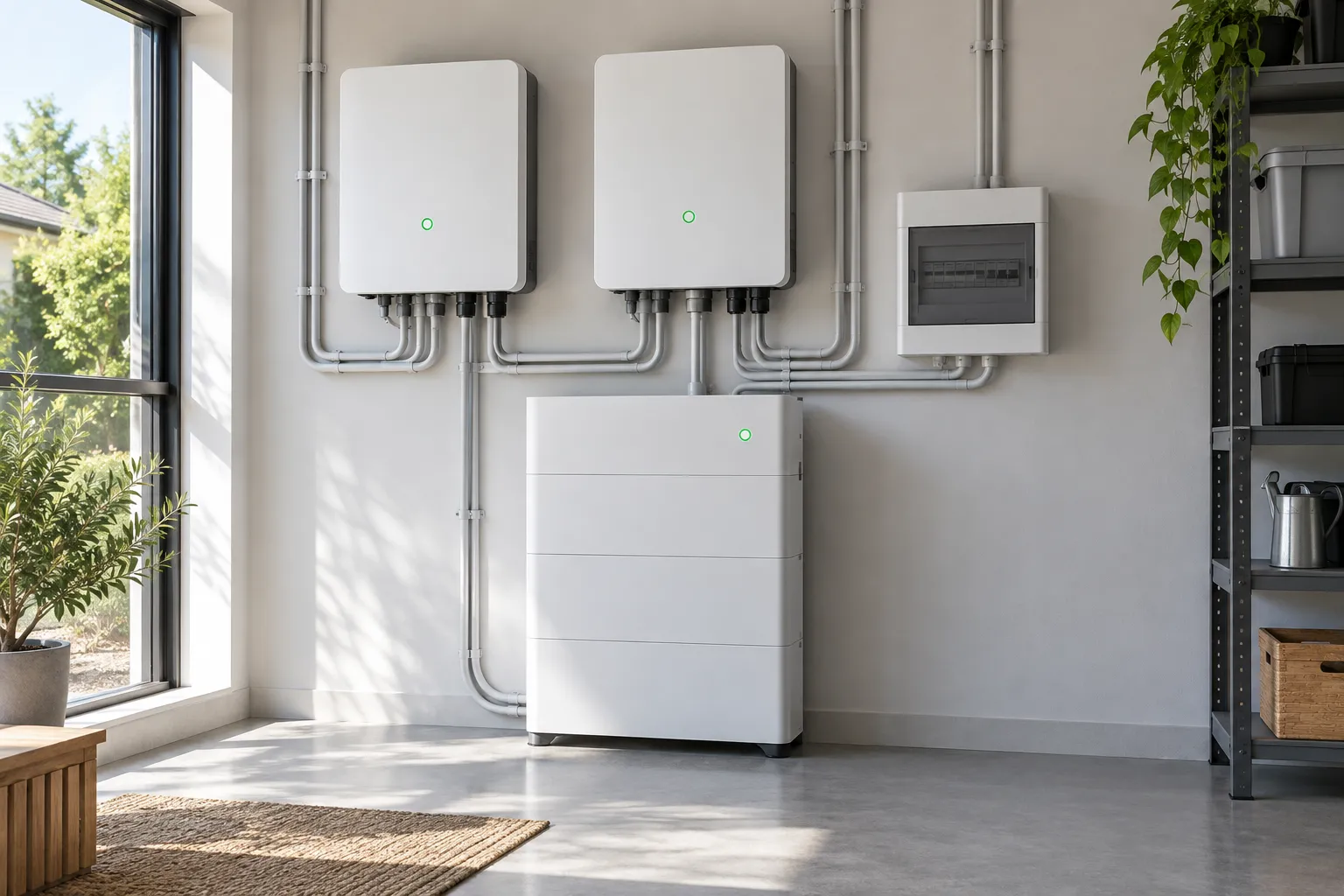
Outage support is a separate design question. Tell the installer exactly which circuits matter to you and for how long. Confirm inverter backup output, battery capacity, and the equipment needed to isolate those circuits safely. A 5 kW label does not guarantee whole-home backup.
What should you ask before choosing?
Ask for a roof layout, a clear equipment list, estimated monthly generation, and an explanation of the proposed backup arrangement. Request separate prices for optional batteries or future expansion so you can compare the choices without losing track of the original scope.
At the RENS free site survey, we can review these questions with you. If 5 kW looks too small or too large for your usage, the proposal should explain why another size makes more sense. There is little benefit in choosing a package that does not fit the way your home uses electricity.
About this guide
RENS guides explain solar planning and the questions to ask before installation. General guidance and illustrative examples do not replace equipment instructions, current local rules or a site-specific design.
Spot something that needs updating? Email the RENS team with the guide title and the detail to check.
Sources & further reading
References supplied with this guide. Check the latest rules before making a decision. Overseas consumer guides explain general principles; Pakistan’s connection rules and your equipment instructions take precedence.
Make it specific to your site.
Bring your questions to a free site survey. We’ll discuss your needs and prepare a proposed solution with a feasibility report.
Explore residential services