Choose the operating behaviour you need first, then select the equipment that supports it.
- On-gridDaytime generation
- Hybrid + storageGeneration and stored energy
- Backup designSelected loads during outages
Start with daytime grid use
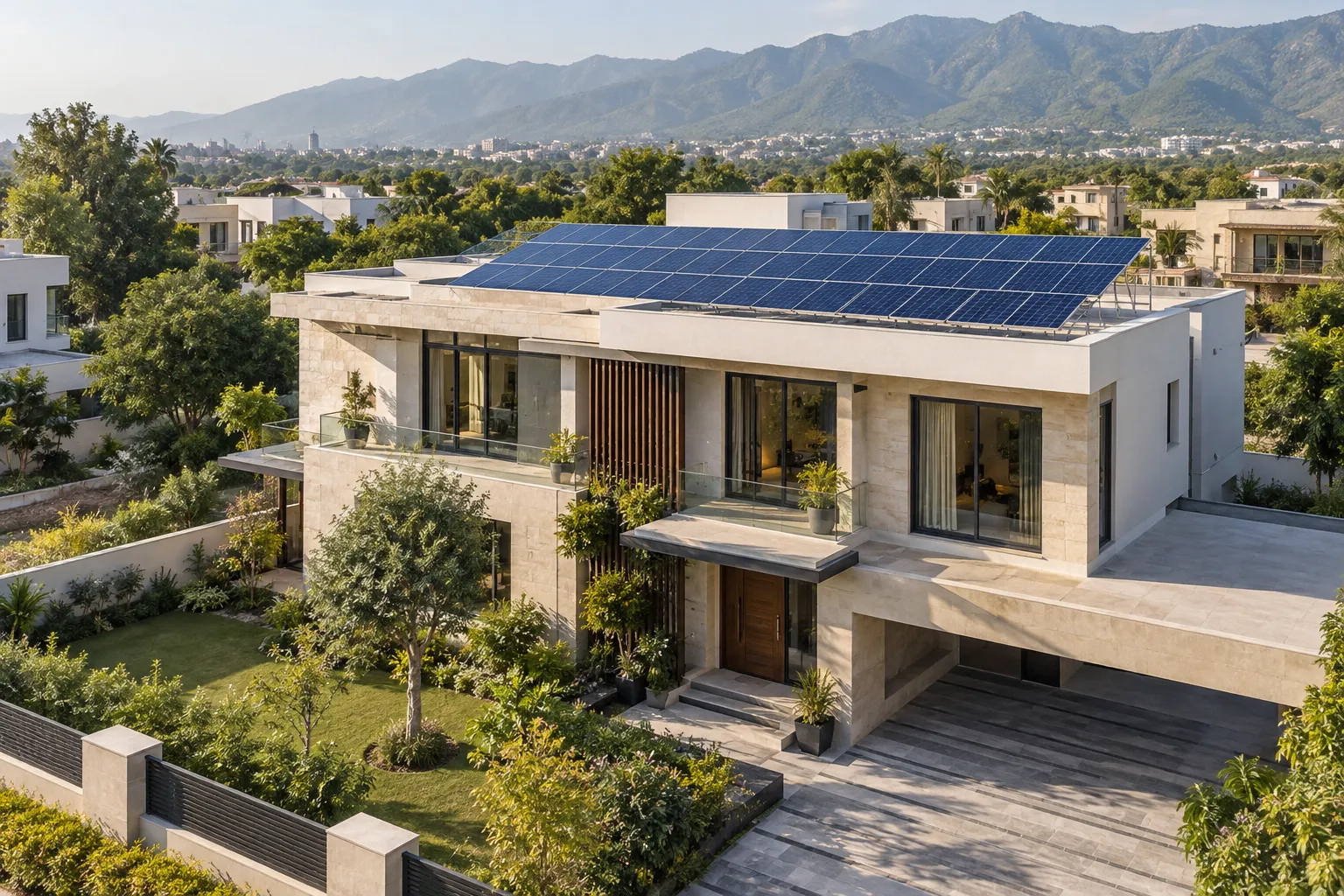
An on-grid system connects solar generation to the property’s grid-connected electrical system. Standard grid-following inverters are not intended to keep an isolated property running through a grid outage. Ask the installer to explain exactly what your proposed inverter does when the grid fails.
For a site focused on daytime use, a grid-connected proposal may be a suitable option to investigate. It still needs a site assessment, a clear electrical design, and confirmation of applicable connection requirements.
What a hybrid arrangement adds
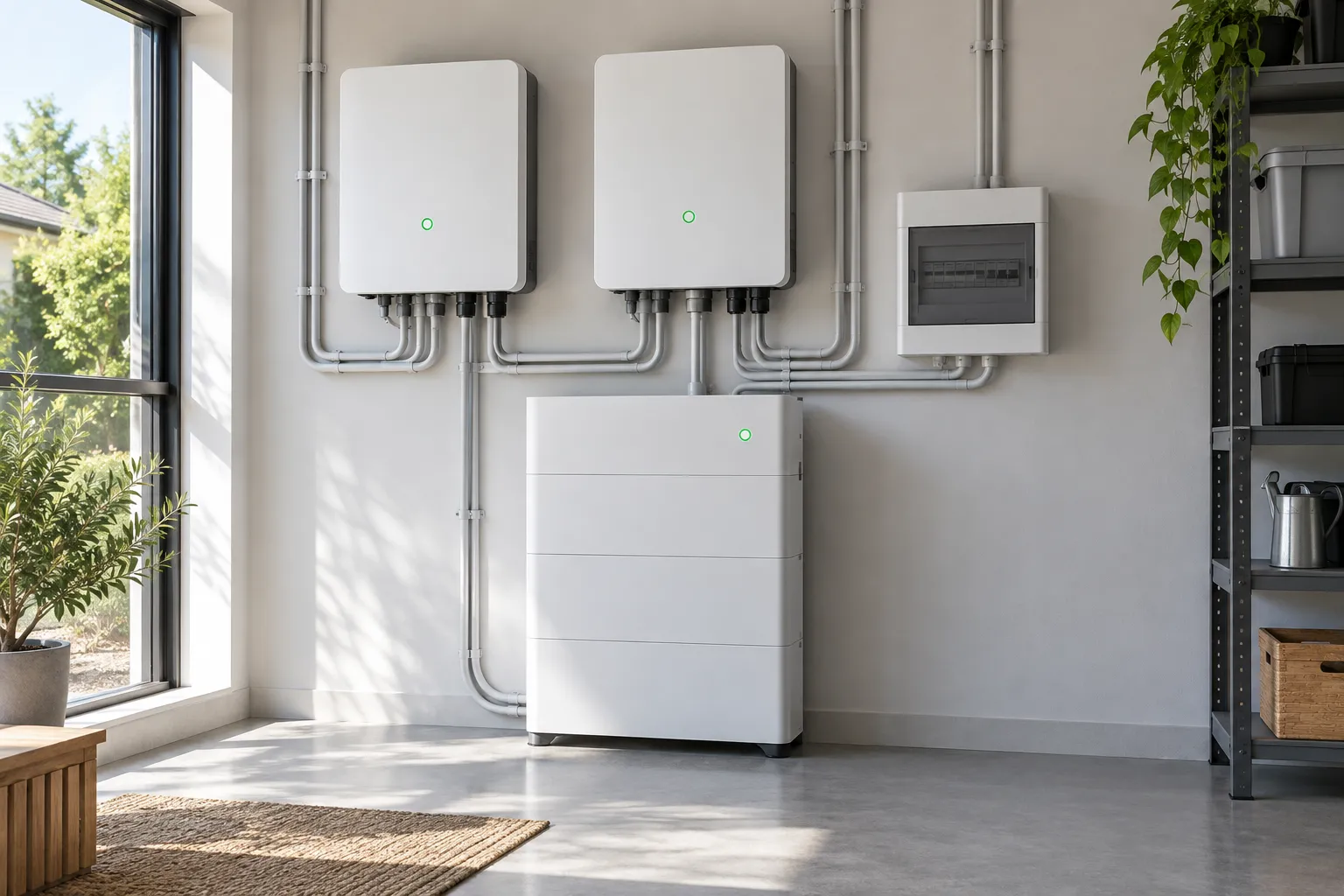
A hybrid proposal can combine solar generation with compatible battery storage. The ability to supply backup loads depends on the inverter model, battery, wiring, switching arrangement, and configured limits. The word hybrid on an advert does not answer all of those questions.
Manufacturers publish compatibility information for specific models. Ask for confirmation of the exact inverter and battery pairing rather than accepting that two products will work together because their voltage labels look similar. Firmware and regional product versions may also matter.
Write down the outage scenario
List the appliances you need during an outage and how long you want them to operate. A refrigerator, a few fans, lights, and internet equipment form a very different brief from air conditioning and water pumping. Discuss starting loads as well as normal operation.
Ask whether the system changes over automatically, which circuits receive backup, and what happens when the battery reaches its reserve setting. If uninterrupted operation is critical for a device, ask about its requirements separately rather than assuming every backup output behaves like a UPS.
Compare complete proposals
Get separate figures for the base solar installation and the battery-backed option. Ask about usable battery capacity, expansion limitations, manufacturer warranty terms, and who will provide service. That comparison makes the extra cost easier to assess against the need it addresses.
RENS can discuss both configurations during your free site survey. If you expect to add storage later, say so now. A written expansion plan should identify which equipment can stay and which parts would need to change.
About this guide
RENS guides explain solar planning and the questions to ask before installation. General guidance and illustrative examples do not replace equipment instructions, current local rules or a site-specific design.
Spot something that needs updating? Email the RENS team with the guide title and the detail to check.
Sources & further reading
References supplied with this guide. Check the latest rules before making a decision. Overseas consumer guides explain general principles; Pakistan’s connection rules and your equipment instructions take precedence.
Make it specific to your site.
Bring your questions to a free site survey. We’ll discuss your needs and prepare a proposed solution with a feasibility report.
Explore battery storage services